
How SK Hynix Overtook Samsung in AI Chipmaking Stakes

Rising from the ashes of a crippling debt crisis, South Korean memory chipmaker SK Hynix has overtaken Samsung Electronics to become the world's most valuable memory chip manufacturer.
SK Hynix shares closed up 5.6% on 22 June, lifting its market capitalisation to 2,080.4tn won (US$1.35tn), according to market data.
Samsung Electronics stock eased 0.14% to give it a market value of 2,066.7tn won (US$1.34tn), excluding preferred shares. The company had held the top position among memory chipmakers for years.

SK Hynix's market position stems from its supply of high-bandwidth memory (HBM) chips to AI system builders. These components are being deployed in data centres and cloud infrastructure by customers including NVIDIA and Alphabet's Google.
Specialised memory for AI systems
High-bandwidth memory represents a departure from conventional memory products. The chips are stacked vertically to deliver faster performance and lower power consumption.
HBM chips are tightly integrated with AI processors, creating higher barriers to entry and gives suppliers greater pricing power compared to standard memory products.
According to market data, SK Hynix captured 61% of the global HBM market by 2025, while Samsung Electronics held 17% and Micron held 21%.
Infrastructure investment during downturn
SK Hynix continued investing in HBM development during a memory industry downturn. This decision positioned the company as the primary supplier when AI infrastructure spending accelerated.
In 2023, a memory price downturn pushed SK Hynix to report an annual operating loss of 7.73tn won (US$5.02bn), but it started recovering a year later as AI infrastructure investments increased.
Microsoft, Google and Meta invested heavily in AI systems during this period, leading to SK Hynix recording a record annual operating profit of 23.5tn won (US$15.26bn) in 2024.
The company entered the trillion-dollar club in May 2026. To put this into perspective, just two decades earlier, what was then Hynix Semiconductor was on the verge of being sold to Micron after accumulating debt during an expansion drive.
AI components reshape economics
Chey Tae-won, Chairman at SK Group, faced opposition to acquiring Hynix, but explained his rationale in a book published in January 2026.
He wrote: "What I really wanted to accomplish when we acquired Hynix was to transform it from a commodity memory producer into a mainstream semiconductor company whose products are indispensable."
Chey notes that standard memory products from Hynix, Samsung Electronics or Micron were interchangeable before, though AI infrastructure changed this dynamic.
He added: "HBM is different. If SK Hynix's HBM is replaced with another product, the AI system may not function properly. What used to be a peripheral component has become a core component."
Production capacity implications
Samsung Electronics faces pressure on its position as the world's largest DRAM producer, with the company's manufacturing dominance set to be challenged by SK Hynix capacity expansion.
According to Bank of America estimates, the monthly DRAM output of SK Hynix will reach about 589,000 wafers this year. Samsung Electronics is projected to produce roughly 691,000.
SK Hynix is choosing Nasdaq for its planned US listing, according to Reuters. This move would broaden the investor base of the company.
The listing could raise the profile of SK Hynix among global investors. The company's shares traded as low as 135 won (US$0.09) in 2003, when it was viewed as a penny stock following the debt crisis.
Company portals










Executives
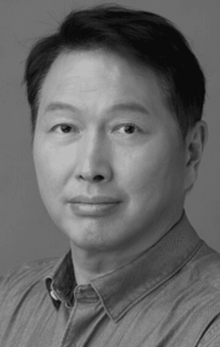
Chey Tae-won
Chairman