
AI Mega Trend: Inside TSMC's US$165bn US Expansion
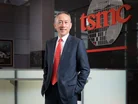
Taiwan Semiconductor Manufacturing Company (TSMC) is accelerating its multibillion dollar expansion in Arizona semiconductor manufacturing site, as the AI chip supplier responds to surging demand from the artificial intelligence sector, according to CNBC.
Having invested US$165bn in its first three fabs in Arizona, TSMC's first fab began production on technology in 2025, with the second and third fab set to begin production by the second half of 2027 and the end of the decade, respectively.
CNBC notes that the company is set to further expand that investment.
Responding to AI demand
TSMC – the Apple and NVIDIA AI chip supplier – has recorded net revenue up a stellar 35.1% in Q1 of 2026.
TSMC recorded NT$1.134tn (US$35.67bn) for January to March 2026, up from NT$839bn (US$26.39bn) a year ago, marking a 35.1% increase in profits.
This growth reflects the escalating computational demands of AI model training and inference workloads.
The revenue rise comes even as there were widely reported disruptions in supply chains for helium – which is key for semiconductor manufacturing.
TSMC's plans in Arizona include six semiconductor wafer fabs, two advanced packaging facilities and an R&D team centre.
The expansion could position the company to better serve AI companies requiring cutting-edge chip manufacturing capabilities for large language models and machine learning applications.

TSMC's first three fabs will create 6,000 direct jobs and tens of thousands of jobs in construction and supply.
Speaking to CNBC, TSMC Chief Financial Officer Wendell Huang said: "We have strong conviction on the AI mega trend and that is the reason we are stepping up the capital expenditures to expand in Taiwan and in the US.
"Not just to expand, but also try to accelerate where it is possible to satisfy or narrow the gap."
CNBC reported back in January that the company had purchased an additional 900-acre lot in Arizona.
Some facilities that were part of the original plan will now be built on this second piece of land instead, with the remainder used for future flexibilities as Wendell says to CNBC.
Helium supply challenges
The war in Iran and the closure of the Strait of Hormuz has heavily impacted the supply of helium needed for advanced semiconductor manufacturing.
Data from Forbes show that TSMC sourced 69% of its helium from the Gulf Cooperation Council in 2024.
TSMC says that it is 'monitoring the situation closely' and does not anticipate significant near-term production impacts.
This is because of diversified contracts, robust on-site recycling with 80-90% recovery rates at leading fabs and existing inventories, according to reporting from Forbes.
Broader semiconductor investment trends
TSMC says that its fabs in Arizona will strengthen America's leadership in critical technologies like AI, high-performance computing and advanced mobile applications.
In line with US President Donald Trump's plans, TSMC's effort is part of a broader move to re-shore advanced manufacturing to US.
Apple has also committed to an investment in US manufacturing of over US$600bn over the next four years.
A US$17bn semiconductor fab facility in Texas belonging to Samsung Electronics has recently moved into the installation and commissioning phase.
Back in March, Elon Musk, CEO of Tesla, announced two large fabs in Texas.
This, he noted, was because the demand his companies have for advanced semiconductors outweighed global supply.
"To Samsung, TSMC, Micron and others. And we would like them to expand as quickly as they can," he said.
"And we will buy all of their chips. I have said these exact words to them."
Company portals



Executives
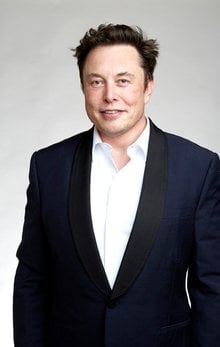
Elon Musk
Tesla CEO
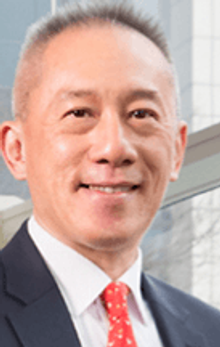
Wendell Huang
CFO