Why is OpenAI Scrapping its AI Video Platform Sora?
Barely six months after the stand-alone platform set the internet ablaze with realistic AI videos, OpenAI has binned its video generation platform Sora.
Amidst shifting priorities of the AI company towards advanced AI, agents and robotics, OpenAI aims to laser focus on fields “that will help people solve real-world, physical tasks.”
Facing increased competition in the AI space, as the company plans its IPO, this focus shift is seconded by its ambitions of creating a desktop super app.
“We’re saying goodbye to the Sora app,” notes the company’s post on X.

“To everyone who created with Sora, shared it and built community around it: thank you.
“What you made with Sora mattered and we know this news is disappointing.”
The app initially had to brave through a climate of criticism on copyright, deepfakes and major creator push back, including from Hollywood’s Creative Artists Agency (CAA), which complained that Sora exposed artists to “significant risk”.
The CAA’s remark raised to Reuters back in 2025 reads: “The question is, does OpenAI and its partner companies believe that humans, writers, artists, actors, directors, producers, musicians and athletes deserve to be compensated and credited for the work they create?”
What this means for the billion dollar Disney deal
The Walt Disney Company was the first major creative industry to sign a US$1bn deal with OpenAI, allowing Sora users to create with familiar magical Disney characters.
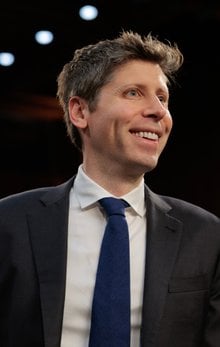
“Disney is the global gold standard for storytelling and we’re excited to partner to allow Sora and ChatGPT Images to expand the way people create and experience great content,” Sam Altman, Co-founder and CEO of OpenAI said in 2025, following the deal.
“This agreement shows how AI companies and creative leaders can work together responsibly to promote innovation that benefits society, respect the importance of creativity and help works reach vast new audiences.”
After the company shut the lights out on Sora, the partnership with the entertainment giant also fell apart.
“We respect OpenAI's decision to exit the video generation business and to shift its priorities elsewhere,” says Walt Disney Company spokesperson, as noted by reporting from the BBC.
While Disney’s US$1bn planned investment with OpenAI never saw money change hands, Disney’s AI ambitions are not lost: “We will continue to engage with AI platforms to find new ways to meet fans where they are while responsibly embracing new technologies that respect IP and the rights of creators,” Financial Times reports.
Why did OpenAI shut down Sora?
As with any business decision, money talks.
“Sora made US$1.4m in global net in-app revenues, compared to US$1.9bn over the same period for ChatGPT” shows data from Seema Shah, VP of Insights at market intelligence firm Sensor Tower, as reported by the BBC.
AI video generation is extremely compute intensive. Sora lagging in revenue while also being the centre of controversy over deepfakes, copyright and misinformation would have added up to the decision to axe the platform.
In an internal communication, Fidji Simo, Chief of Applications at OpenAI, had noted that the company “realised we were spreading our efforts across too many apps and stacks and that we need to simplify our efforts,” as reported by the Wall Street Journal (WSJ) in the context of OpenAI’s new super app ambitions.
Fidji said that OpenAI cannot afford to be distracted with “side quests” adding that the existing fragmentation “has been slowing us down and making it harder to hit the quality bar we want.”
Company portals


Executives
Fidji Simo
CEO, Applications at OpenAI
Sam Altman