
Sora: The App Igniting Mass Downloads & Copyright Concerns
The AI industry is in a phase where companies are launching consumer products that generate images, text and video.
This transition brings fresh scrutiny over how these tools handle copyrighted material and the likenesses of public figures, with several firms now facing costly legal battles over training practices.
OpenAI reports that its Sora video generation application has reached one million downloads within five days of release – which is a faster adoption rate than ChatGPT achieved when it launched in November 2022 – despite Sora being available only to invited users in North America.
The application transforms written text descriptions into ten-second video clips using machine learning (ML) models trained on visual data – and has secured the top position in Apple’s US App Store rankings.
Bill Peebles, Head of Sora at OpenAI, disclosed the figures in a post on X, saying the “team [is] working hard to keep up with surging growth”.
Yet how has this new tool added to the global AI copyright debate?
How AI generation of deceased celebrities and IP violations are sparking controversy
Sora’s design allows users to share generated videos directly to social media platforms, which has led to a flood of AI-created content featuring copyrighted characters and deceased public figures.
“[OpenAI will] give rights holders more granular control over generation of characters”.
Videos have depicted musicians Michael Jackson and Tupac Shakur, while before the download announcement, Zelda Williams asked people to stop sending her AI-generated videos of her father, actor Robin Williams, who died in 2014.
OpenAI tells Axios, a US news organisation, that “strong free speech interests” apply to depictions of historical figures.
For public figures deemed “recently deceased”, the company says authorised individuals can request that likenesses not be used, though it does not define what timeframe qualifies as recent.
Sora videos frequently incorporate characters from film, television and gaming properties.
One video shows Sam Altman, OpenAI’s CEO, alongside Pokémon characters saying “I hope Nintendo doesn’t sue us”, according to CNBC.
Another depicts him grilling and eating Pikachu, the franchise’s mascot.
Nintendo has not announced legal action, but the videos show the growing tensions between AI-generated content and existing copyright law.
Sam Altman’s response to Sora’s criticism
OpenAI and competing firms face mounting litigation from creators and rights holders over training data.
Anthropic agreed to pay US$1.5bn to settle a class action lawsuit filed by authors who alleged the company used its copyrighted works without authorisation.

The settlement shows the financial exposure facing AI firms as courts begin to weigh up questions about fair use and intellectual property in ML.
In response to criticism, Sam published a blog post stating the firm had been “learning quickly from how people are using Sora and taking feedback from users, rights holders and other interested groups”.
He says OpenAI will “give rights holders more granular control over generation of characters” and indicates the company plans to implement revenue-sharing arrangements, though no timeline or structure has been announced.
Whether courts and rights holders will accept Sam’s suggestion that Sora videos represent a new form of “interactive fan fiction” remains to be seen.
The term traditionally describes written works by enthusiasts using existing characters and settings, though such content occupies contested legal ground regarding copyright and fair use.
During a briefing with reporters at the company’s DevDay event, Sam says some users have complained that Sora is too restrictive.
“Please give us some grace,” he says. “The rate of change will be high.”


Executives

Bill Peebles
Head of Sora at OpenAI

Dario Amodei
CEO and Co-Founder
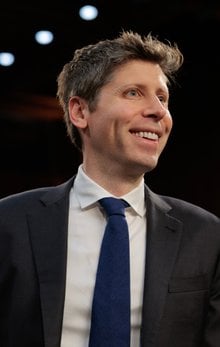
Sam Altman