AI Drug Discovery: How Roche Accelerates Health Innovation

AI is reshaping the pharmaceutical industry, and Roche stands at the forefront of this transformation.
The biotech giant, which has operated for more than 125 years, is now leveraging AI and machine learning to address one of healthcare's most persistent challenges: the lengthy, costly process of bringing new medicines to market.
Through its Genentech division, Roche has developed what it calls a 'lab in a loop' approach, integrating AI models directly into the drug discovery pipeline.
This methodology could fundamentally change how pharmaceutical companies develop treatments, potentially reducing both the time and cost associated with bringing new therapies to patients.

AI integration in drug development
The 'lab in a loop' system represents a significant shift in pharmaceutical research methodology. According to Aviv Regev, Head of Genentech Research and Early Development (gRED), the approach brings Gen AI directly into drug discovery and development processes.
The system operates by using experimental and clinical data to train AI models, which then generate predictions for drug targets, therapeutic molecules and antibody designs.
These predictions are subsequently tested in laboratory settings, creating new data that continuously improves model accuracy. This cyclical process allows researchers to rapidly screen molecules virtually, optimise cancer vaccine design and explore novel therapeutic approaches.
Roche has partnered with technology companies, including AWS and NVIDIA, to enhance its computational capabilities, accelerating research and development timelines.
These collaborations provide the processing power necessary to run complex AI models and analyse vast datasets generated during the drug discovery process.
The integration of AI into pharmaceutical research has already demonstrated a measurable impact.
By automating repetitive tasks and identifying patterns in complex biological data, AI systems enable scientists to focus on higher-value analysis and decision-making, potentially shortening the traditional 10 to 15-year drug development timeline significantly.
Technology-enabled supply chain transformation
Beyond drug discovery, Roche is applying technology to modernise its global laboratory supply chains.
The company has integrated Tecsys' cloud-based Elite platform across more than 1,000 labs in more than 50 countries, automating inventory management for reagents and consumables while linking to its SAP backend for real-time visibility and replenishment.
The system reduces manual errors, prevents stockouts and ensures regulatory compliance, all while enabling rapid deployment and scalable operations.
This technological infrastructure supports Roche's ability to deliver diagnostics and treatments consistently across diverse global markets.
In Nigeria, Roche has strengthened supply chains by moving to a direct buy-and-sell model, reducing intermediaries and improving cold chain management.
Ladi Hameed, Country Manager for Roche Products Nigeria, says: "In 2020, one of the main problems we faced was having multiple levels of distribution."
Ladi explains that each intermediary added mark-ups of 5% to 10% on medicine costs, while cold chain quality concerns persisted.
"In 2021, they were paying a difference of between US$200 and US$500, month on month, for well-known breast cancer and blood cancer medicines," he says.
Sustainable innovation for future healthcare
Roche's technological initiatives operate within a broader sustainability framework designed to create long-term value for patients, society and the environment. The company's strategy focuses on expanding equitable access to innovation, fostering a fair workplace and protecting the environment.
Sustainability is integrated across the entire product lifecycle, from responsible sourcing of natural materials and minimising water use, to designing energy-efficient, recyclable packaging and managing products responsibly at end-of-life.
Roche is committed to achieving net zero carbon emissions by 2045, with targets validated by the Science-Based Targets initiative.
Through rigorous governance and climate risk management aligned with the Task Force on Climate-Related Financial Disclosures, Roche ensures ethical practices and transparency.
The approach includes energy efficiency, adoption of renewable energy, circular economy principles and minimising environmental impacts in research and development, manufacturing and distribution.
The company's environmental commitments extend to water stewardship and waste reduction programmes across its global operations. By implementing circular economy principles, Roche aims to minimise resource consumption whilst maintaining the quality and safety standards essential to pharmaceutical manufacturing.
By combining AI-driven drug discovery, technology-enabled supply chains and comprehensive sustainability practices, Roche demonstrates how pharmaceutical companies can advance both innovation and planetary health.
The integration of AI throughout its operations positions the company to deliver more effective treatments faster, potentially improving outcomes for patients worldwide while maintaining environmental responsibility.
Executives

Dr Aviv Regev
Head of Genentech Research and Early Development (gRED)
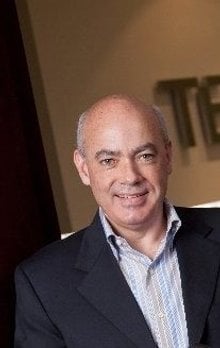
Peter Brereton
CEO