How Waymo's AI-Driven Vehicles are Making Roads Safer
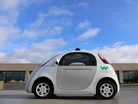
An in-depth study by Swiss Re, a global leader in reinsurance, has found evidence that Waymo’s autonomous driving technology, which uses AI and machine learning, is significantly safer when compared to vehicles driven by humans.
The research analysed auto liability claims on the 25.3 million autonomous miles driven by Waymo, comparing the safety performance of autonomous and human-driven vehicles.
This investigation expands on previous studies by using liability claims data as an indicator of at-fault collisions, proving that Waymo’s autonomous driving system surpasses both the general driving population and even the most technologically advanced human-driven vehicles when it comes to safety.

With Waymo actively expanding its operations in cities such as Phoenix, San Francisco, Los Angeles, and Austin, these results further emphasise the safety advantages of autonomous mobility.
Swiss Re utilised a comprehensive dataset featuring more than 500,000 claims across over 200 billion miles of exposure, serving as a benchmark for comparing human driver capabilities and safety against Waymo's autonomous technology. The results include:
- Waymo's autonomous fleet showed an 88% reduction in property damage claims in comparison to human-driven vehicles.
- The reduction in bodily injury claims was even more impressive at 92%, reinforcing the significant safety benefits of autonomous driving technology.
In practical terms, throughout the 25.3 million miles analysed, Waymo's autonomous vehicles were involved in only nine property damage claims and two bodily injury claims. In contrast, human-driven vehicles over an equivalent distance would typically expect to encounter 78 property damage claims and 26 bodily injury claims.
Outperforming advanced driver assistance systems
The study scrutinised Waymo’s safety records against newer human-driven vehicles (spanning 2018-2021) equipped with Advanced Driver Assistance Systems (ADAS).
These latest models typically include new innovations like automated emergency braking, lane-keeping assistance, and forward collision warning. The findings underline the potential of autonomous vehicles to significantly reduce traffic accidents, injuries, and related costs.
A scalable framework for road safety
Waymo's own internal safety assessments suggest that its self-driving technology has resulted in fewer serious collisions, independent of the party at fault. Building on this, Swiss Re’s study demonstrated that Waymo vehicles bore minimal responsibility in the majority of the incidents they were involved in.
"Auto insurance claims data, traditionally used to evaluate human driver liability and risk, is a powerful tool in evaluating the safety performance of autonomous vehicles,” says Mauricio Peña, Chief Safety Officer at Waymo.
He adds that the study “not only validates the Waymo Driver's strong safety record but also provides a scalable framework for ongoing assessment of the impact autonomous vehicles make on road safety."
Insurance data and autonomous vehicles
Swiss Re emphasises how insurance data is crucial in assessing the real-world safety of autonomous vehicles that use AI. Ali Shahkarami, Global Head of P&C Solutions at Swiss Re, highlighted the wider implications of its findings:
"Our research shows how insurance data can help evaluate autonomous vehicle safety and provide the framework needed to support widespread adoption. Analysing a larger dataset across multiple cities deepened our understanding of how this technology performs in real-world conditions. These promising results help underscore the potential of this technology to create a safer future for our roads.”
The insurance industry has also recognised the importance of the study and its outcomes. “It is great to see Waymo placing such an emphasis on the importance of public acceptance of Autonomous Driving System technology and we agree it can only be achieved through education and the sharing of data,” said Chris Moore, President of Apollo ibott, a Lloyd's of London Syndicate.
Moore said the report provided a “staggering benchmark” – a 90% lower claims frequency compared to human driving of newer vehicles with the most advanced driving assistance technology.
Explore the latest edition of AI Magazine and be part of the conversation at our global conference series, Tech & AI LIVE.
Discover all our upcoming events and secure your tickets today.
AI Magazine is a BizClik brand