
ChatGPT’s AI Barbie Doll: Balancing Ethics & Sustainability
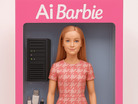
The latest social media phenomenon of AI-generated miniature dolls and action figures raises questions about computational resource allocation and corporate data practices.
Users of Gen AI platforms, including OpenAI's ChatGPT and Microsoft's Copilot, upload personal images to create personalised toy representations, complete with branded packaging mimicking established toy manufacturers – but what impact is this fun feature having?
How does the ChatGPT AI Barbie doll work?
The process of creating a doll leverages image generation capabilities of large language models (LLMs) – meaning it is trained on vast text and image datasets that can produce visual content based on specific user instructions.
These systems interpret both the uploaded image and accompanying text prompts to create the customised outputs.
Furthermore, the user-friendly nature of the tools has contributed to the rapid proliferation of the trend.
The technology's ability to streamline content creation may inadvertently accelerate audience fatigue cycles, but AI-driven trends will become increasingly prevalent.
ChatGPT’s energy consumption raises environmental concerns
The trend has prompted discussion about the environmental implications of frivolous AI usage.
Professor Gina Neff of Queen Mary University London highlights the substantial energy requirements of Gen AI systems to the BBC.
She says that ChatGPT is “burning through energy” – and that data centres powering the technology consume more electricity annually than 117 countries combined.
The trend raises intellectual property questions, as the systems generating these images were trained on datasets that may include copyrighted materials without appropriate licensing agreements or compensation to rights holders.
“ChatGPT Barbie represents a triple threat to our privacy, our culture and our planet,” says Gina.
“While the personalisation might feel nice, these systems are putting brands and characters into a blender with no responsibility for the slop that emerges.”
Mel Morris, Chief Executive Officer and Founder of Corpora.ai adds: “The LinkedIn action figure trend and its demand on GPUs are obviously unsustainable. GPUs aren’t infinite.
“They come at a carbon cost and this casual overuse shows how disconnected we’ve become from the true (financial and environmental) costs associated with these tools.”
The AI Barbie doll’s technology and ethical issues
People have found limitations in the implementation of the AI Barbie doll's technology, as the process requires users to provide detailed instructions, including specifications for accessories and packaging colours.
“More worrying though is the deeper issue this trend personifies,” Mel says.
“The economics might look attractive on the surface, with millions engaging with a product feature.
“But the reality is that companies like OpenAI are absorbing staggering losses to subsidise this kind of activity, fuelled by investor capital chasing a much longer-term promise.
Content policy restrictions
Some have encountered content policy restrictions when attempting to include job titles, for example, reporting that achieving satisfactory results required multiple iterations, with output quality varying significantly between attempts.

The process also produces age discrepancies, inaccurate eye colour and proportion issues in the generated images.
These problems highlight both the current technical limitations of Gen AI systems and the computational resources required for what might be considered non-essential applications.
Appropriate resource allocation
Furthermore, industry observers suggest the trend represents a broader question facing the AI sector regarding appropriate resource allocation.
The computational power directed toward generating novelty content utilises the same infrastructure that could potentially address more consequential applications in fields such as climate modelling, pharmaceutical research or economic forecasting.
“As a technologist, I absolutely believe in the power of AI, but not at any cost. If we want sustainable innovation in the technology then we need to learn what genuine progress looks and feels like – I’m willing to bet that it’s not the dopamine hit after posting your AI-made figurine,” Mel concludes.
Explore the latest edition of AI Magazine and be part of the conversation at our global conference series, Tech & AI LIVE.
Discover all our upcoming events and secure your tickets today.
AI Magazine is a BizClik brand
