How OpenAI's New Image Model Sparked The Studio Ghibli Trend
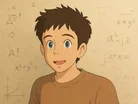
A day after OpenAI’s new ChatGPT image generation tool, GPT-4o, went live, social media feeds were flooded with AI-generated images and memes in the style of Japanese animation firm, Studio Ghibli.
Across X and Instagram, users posted a barrage of images in the style of the studio, the name behind cult anime films such as ‘Spirited Away’ and ‘My Neighbor Totoro’.
Some of these viral posts included a reworked trailer for The Lord of the Rings: the Fellowship of the Ring, Donald Trump and JD Vance’s heated White House meeting with Ukrainian President Volodymyr Zelensky, and the famous online image of Ben Affleck smoking.

The images were met with a mixed response, with Studio Ghibli fans expressing disapproval of the trend.
Some shared a 2016 video of Studio Ghibli co-founder Hayao Miyazaki, known for his dedication to painstaking, hand-drawn work, in which he describes AI-generated art as an “insult to life itself”.
The use of the Ghibli-style animation has also renewed discussions over the role of AI in creative work.
OpenAI’s most advanced image generator
OpenAI launched GPT-4o Image Generation on 25 March, announcing it as a significant evolution of its Gen AI capabilities.
It allows users to create images directly within ChatGPT using natural language prompts – the first time that OpenAI has integrated image generation directly into its core ChatGPT product.
OpenAI’s aim is to streamline how people use AI to create images.
Rather than using third-party tools, users can describe what they want – whether that’s a futuristic cityscape, a fancy dress cat or a conversation between national leaders – and the tool generates an image within seconds.
It can also revise images in real time, responding to feedback with speed and accuracy.
To develop the image generator, ChatGPT trained its models on the joint distribution of images and text, so they learn not just how images relate to language, but also how they relate to each other.
This creates a “visual fluency” that ensures generated images are context-aware and consistent. This enables users to make iterative changes to their images as they refine and experiment.
Studio Ghibli – by AI
ChatGPT didn’t include a specific or dedicated Studio Ghibli filter in the image generation tool.
However, its wide-ranging visual training data and the descriptive power of specific user prompts means users could create Ghibli-style images using prompts that evoke its distinctive aesthetic – this includes phrases like ‘hand-drawn style’, ‘dreamlike atmosphere’ or ‘magical realism’.

The proliferation of images, and the speed at which they were shared, sparked controversy, particularly due to the criticism that Miyazaki has previously aimed at AI-generated art.
In a video first published in 2016, Miyazaki said he was “utterly disgusted” after watching AI-generated animation.
He said: “I would never wish to incorporate this technology into my work at all,” adding “I strongly feel that this is an insult to life itself.”
Later, he was seen saying: “I feel like we are nearing the end times. We humans are losing faith in ourselves.”
Ethics and copyright concerns
The viral trend has led to ethical concerns about the use of AI tools trained over copyrighted creative works, The Associated Press reported.
In a technical paper posted on 25 March, OpenAI said the new tool would be taking a “conservative approach” in the way it mimics the aesthetics of individual artists.
It said: “We added a refusal which triggers when a user attempts to generate an image in the style of a living artist.”
Arguments around the new tool’s use, and the broader use of AI-generated imagery, highlight a grey area that’s allowing development to continue: while specific creative works can be copyrighted, style is not generally protected by copyright.
Critics argue that AI’s training –essentially trawling the internet to learn and absorb existing information — is in itself a form of copying.
The New York Times and several publishers are currently in active lawsuits against OpenAI, after claiming its AI models are trained on copyrighted works without proper payment or attribution.
In response to the backlash, OpenAI confirmed that while users could generate images in the style of well-known studios, they had implemented new restrictions to prevent generating art in the style of living individual artists.
Explore the latest edition of AI Magazine and be part of the conversation at our global conference series, Tech & AI LIVE.
Discover all our upcoming events and secure your tickets today.
AI Magazine is a BizClik brand