
Why HP is Sourcing AI DRAM Chips from China
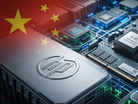
The AI boom happening during a period of global turbulence has created unexpected ripples across global technology supply chains, forcing major manufacturers to reassess their sourcing strategies in response to unprecedented demand.
While many technology companies have been diversifying their supply chains away from Chinese operations, HP is among the firms actively exploring the country for its component sourcing needs, according to industry sources.
As AI-driven market dynamics shift, Chinese manufacturers are beginning to face growing demand for memory chips.
The surge in AI adoption has created a fundamental shift in how memory chips are being consumed and distributed across the technology sector.
HP, a technology company that designs its products to make the world a better place, is now diversifying its memory chip sourcing towards Chinese firms, after years of relying on suppliers from across the US, South Korea and Taiwan, according to supply chain reports.

HP is one of four companies actively considering this switch, as a result of a global shortage driven primarily by AI infrastructure demands.
Data centres supporting AI workloads are consuming memory chips at unprecedented rates, buying out stock from American corporations like NVIDIA.
Samsung, Micron and SK Hynix, who hold 90% of the dynamic random-access memory (DRAM) market, have moved their capacity to developing high-bandwidth memory (HBM) for AI data centres.
AI's impact on chip prices
This overconsumption of chips by data centres has led to immense price spikes.
One type of DRAM rose 75% from December to January, with a growing number of retailers raising the prices of their products.
As a result, consumer electronics companies like HP and Samsung have been trying to mitigate the fallout from dwindling supplies.
"We stand at the cusp of something that is bigger than anything we've faced before," says Tim Archer, CEO at Lam Research Corp.
"What is ahead of us between now and the end of this decade, in terms of demand, is bigger than anything we've seen in the past, and, in fact, will overwhelm all other sources of demand."
Enter Chinese manufacturers
HP has already started qualifying DRAM chips from ChangXin Memory Technologies (CXMT).
This consists of testing the various components involved to ensure they meet the performance and quality standards that HP champions.
Dell is also at this stage, while Acer and Asus have started to request their Chinese manufacturing partners source locally produced memory chips.
When many companies are moving sourcing away from China, this change demonstrates where the emerging market lies.
China's leading company in memory-chip manufacturing, CXMT, recently made a US$4bn share offering following on from its major technological advancements.
Going through the qualification process does not automatically mean HP will use CXMT, this company is acting as a potential source for PC makers. If the market remains constrained with high prices, HP might see the benefits in CXMT for non-US markets.
This chip shortage has allowed Chinese electronics contract manufacturers to revive their role in the supply chain, as some brands have been asking partners to expand sources.
Acer has also increasingly relied on Chinese contract manufacturers in order to lower costs, with openness to using Chinese-made memory chips.
Building resilience against AI-era threats
While protecting its supply chain from shortages, HP has also been making moves to renew its cybersecurity integrity, having renewed its multi-year agreement with Karamba Security.
Through this partnership, it will continue to utilise its XGuard cybersecurity software across its printer products.
Its networked and cloud-connected printers which include firmware that can be targeted by cyberattacks are covered by this.
In 2025, cyberattacks became a major threat to brands around the world, in part due to the rise in digitisation and the rise of AI use.
This increase and overreliance on digital firmware made companies vulnerable to attacks, with a range of global supply chains being hit during this period.
HP is working to build supply chain resilience in an AI-driven market, by renewing its agreement and diversifying its sourcing strategy.
HP laying an ear to the ground to track market trends shaped by artificial intelligence adoption, is limiting its vulnerability to shortages and price rises.



Executives

Tim Archer
President and CEO