Qatar’s First Sovereign AI Cloud with Nvidia: Explained
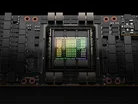
Ooredoo, Qatar’s leading telecommunications provider, has launched sovereign AI cloud services powered by the latest Nvidia Hopper GPUs and hosted within local data centres – bringing world-class accelerated computing capabilities to advance the nation’s digital transformation agenda.
This deployment positions Qatar to lead the Middle East’s next wave of AI innovation as the region increases investment in AI infrastructure.
Sovereign AI infrastructure accelerating national adoption
Countries worldwide are developing sovereign AI capabilities to strengthen digital economies and security frameworks.
By delivering advanced AI applications without dependence on international providers and offering high-performance computing infrastructure locally, Ooredoo aims to accelerate AI adoption across energy, finance, logistics, healthcare and smart city development sectors.
The sovereign approach addresses growing concerns about data sovereignty and national security whilst enabling organisations to harness AI capabilities without compromising sensitive information or regulatory compliance requirements.
Customers benefit from faster computing access, secure handling of massive datasets and AI solution deployment under national data policies, all supported by low-latency, reliable in-country infrastructure.
This local hosting model ensures that critical business data remains within Qatar’s borders whilst providing the computational power necessary for advanced machine learning and artificial intelligence applications.
“We are proud to bring this world-class AI infrastructure to Qatar, equipping our customers with the tools they need to turn ambition into real-world solutions,” says Sheikh Ali Bin Jabor Al-Thani, CEO at Ooredoo Qatar.
“Our collaboration with Nvidia paves the way for a new generation of innovation, empowering everyone from startups to government entities to benefit from the full potential of artificial intelligence, securely and efficiently.
“This, in turn, will fuel economic growth, upgrade citizen experiences and cement Qatar’s position as a digital leader in the region.”
Building a robust digital foundation
As an Nvidia Cloud Partner, Ooredoo provides customers access to GPU technology and Nvidia’s AI development software suite, including the Nvidia AI Enterprise platform that simplifies building, testing and scaling AI models from concept to production.
Development teams can utilise enterprise-grade tools for creating AI-powered chatbots, predictive analytics systems, or optimising complex supply chains whilst maintaining security within Ooredoo’s data centres.

The infrastructure supports diverse workloads from natural language processing to computer vision applications, enabling organisations to experiment with and deploy sophisticated AI solutions.
The infrastructure is hosted and operated by Syntys through mission-critical facilities designed specifically for high-performance computing workloads, ensuring optimal performance and reliability for demanding AI applications.
Furthermore, the launch directly supports Qatar Digital Agenda 2030 and the Qatar National AI Strategy, government initiatives that emphasise robust digital infrastructure, local hosting of critical technologies and responsible AI development for societal and economic benefit.
These strategic frameworks recognise AI as fundamental to Qatar’s economic diversification and technological leadership ambitions.
The timing also aligns with broader regional trends, as Middle Eastern nations increasingly prioritise AI sovereignty to maintain competitive advantages whilst ensuring data security and regulatory compliance.
This infrastructure positions Qatar to attract international organisations seeking secure, high-performance AI capabilities within a stable regulatory environment.
Operating across the Middle East, North Africa and Southeast Asia, Ooredoo serves consumers and businesses in nine countries, delivering advanced data experiences through content and services via data-centric mobile and fixed networks.
The company generated revenues of QAR 23 billion (US$6.31bn) as of December 2024, demonstrating the financial foundation supporting its technological investments.