How Channel 4’s AI Presenter Impacts Debate on Jobs & Trust
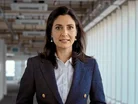
The technology to create convincing fake videos is becoming increasingly sophisticated – leading media organisations to wrestle with how to respond.
Channel 4 has now taken an unusual approach by deploying an AI-generated presenter throughout an entire documentary and revealing the deception only in the programme’s final moments.
The show marks what the broadcaster calls a television first.
Viewers watching Will AI Take My Job? Dispatches spent an hour following what appeared to be a human presenter investigating how automation is reshaping work across medicine, law, fashion and music.
The figure narrated segments, appeared to conduct interviews and seemingly reported from multiple locations. Then came the twist.
“AI is going to touch everybody’s lives in the next few years. And for some, it will take their jobs,” the presenter tells viewers at the programme’s close, before adding that customer service agents and television presenters might be at risk.
“Because I’m not real. In a British TV first, I’m an AI presenter.”
But what does this development mean for a world adapting to AI?
Is it possible for AI to be authentic and trustworthy?
The admission lands with deliberate force.

No physical filming took place. The face, voice and body movements viewers had watched for nearly an hour were synthesised through machine learning (ML) models – the same technology that has enabled companies like OpenAI, Anthropic and Google to generate increasingly realistic images, audio and video from text descriptions.
The project came together through collaboration between Seraphinne Vallora, which works on AI-generated fashion content and Kalel Productions, the company behind the documentary.
Using text prompts, they created what Channel 4 describes as a digital human capable of nuanced on-camera performance.
The result fooled many viewers until the reveal, which the broadcaster says was designed to comply with its editorial guidelines requiring transparency when AI is used.
But this isn’t the start of a trend, according to Louisa Compton, Head of News and Current Affairs, Specialist Factual and Sport at Channel 4: “The use of an AI presenter is not something we will be making a habit of at Channel 4 – instead our focus in news and current affairs is on premium, fact checked, duly impartial and trusted journalism – something AI is not capable of doing,” she says.
“But this stunt does serve as a useful reminder of just how disruptive AI has the potential to be – and how easy it is to hoodwink audiences with content they have no way of verifying.”
That ease of deception sits at the heart of growing concerns about deepfakes, which manipulate video and audio to create false but convincing content.
The technology can impersonate public figures, spread misinformation and undermine trust in the media at a time when verification is becoming harder.
What Channel 4 did with permission and disclosure, others might attempt without either.
How production costs and AI capabilities correlate
Adam Vandermark, Commissioning Editor for News and Current Affairs at Channel 4, admits the line between human and machine is blurring.
“Kalel Productions worked hard to make the reporter feel and appear as authentic as possible, but of course AI couldn’t do the work of an investigative journalist. Or could it?” he says.
“It’s far too early to tell, but it’s certainly a revelation to see this imaginary presenter front a Dispatches in such a clever and realistic way.”
The documentary reveals that nearly three-quarters of UK employers have already introduced AI into tasks once done by humans.
That statistic takes on fresh meaning given the programme’s own production methods.
Nick Parnes, CEO of Kalel Productions, sees the economic pressure building and accelerating: “This is another risky, yet compelling, project for Kalel. It’s been nail-biting to create the AI presenter in time.
“Ironically, it gets even more economical to go with an AI Presenter over human, weekly,” he says.
“And as the generative AI tech keeps bettering itself, the Presenter gets more and more convincing, daily. That’s good for our film, but maybe not so good for people’s careers.”