
How Alibaba’s Quark AI Glasses Take on Meta in Wearables
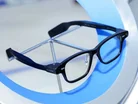
The global race to develop AI-powered wearable devices has become the latest battleground for technology companies seeking platforms beyond smartphones.
Alibaba has now entered the fray with glasses that look refreshingly normal while promising to turn shopping and payments into hands-free experiences, releasing its Quark AI glasses in China.
The device starts at 1,899 yuan, equivalent to US$268.25, marking the company’s attempt to break into a wearables market currently dominated by Meta.
The Quark glasses are powered by Alibaba’s Qwen AI model.
Unlike the bulkier headsets made by Meta, the Quark glasses resemble regular eyewear with a black plastic frame.
It’s a deliberate choice that suggests Alibaba understands consumers want AI functionality without advertising it to everyone around them.
The glasses integrate directly with Alibaba’s ecosystem, including Alipay, its digital payment platform and Taobao, its online shopping site.
Wearers can use them for on-the-go translation and instant price recognition while browsing shops, essentially turning the physical world into an extension of their online shopping experience.
How Alibaba’s playing to strengths in payments and commerce
“Alibaba’s strengths are shopping, payments and navigation, so its AI glasses function more like a life assistant,” says Li Chengdong, a Beijing-based Electronics Industry Analyst.
Alibaba’s CEO Eddie Wu also says the company has seen “exceptional user retention” with the new release.
Rather than trying to compete directly with Meta’s virtual reality ambitions, Alibaba is building something that fits its existing business.
The company is playing catch-up in the consumer AI market after lagging rivals.
Earlier this month, Alibaba launched a significant upgrade to its AI chatbot as part of its broader push to compete in AI.
Li reckons Alibaba’s strategy for AI glasses centres on capturing future traffic entry points amid brutal competition in China’s e-commerce sector.
The company faces constant pressure from rivals including JD.com and Douyin, the Chinese version of TikTok that has become a formidable shopping platform in its own right.
“Alibaba is not a monopoly in e-commerce,” says Li. “It hopes AI can help it secure the next-generation traffic gateway.”
That matters, because traffic gateways are the platforms consumers use as their first stop online.
It’s why companies invest billions trying to own these entry points.
The Quark AI glasses are available on major Chinese e-commerce platforms including Tmall, Alibaba’s premium shopping site, JD.com and Douyin.

Sales figures aren’t available yet as the product only launched on Thursday, so it’s too early to tell whether consumers will bite.
Meta dominating with 80% market share
The battle among technology companies to develop new AI-powered devices has heated up considerably.
Meta overwhelmingly dominates the VR headset industry with about an 80% market share.
The company, which owns Instagram and Facebook, has poured resources into virtual reality hardware as part of its metaverse strategy.
Apple, the iPhone manufacturer, sells its Vision Pro headset at a price point that makes Alibaba’s glasses look like a bargain.
Samsung Electronics, the South Korean technology conglomerate, released its Galaxy XR extended reality headset in October using AI features from Alphabet’s Google, the search engine and cloud computing company.
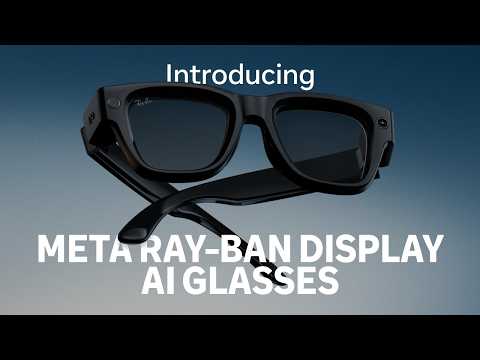
Extended reality encompasses virtual reality, augmented reality and mixed reality technologies.
These allow users to either enter fully digital environments or overlay digital information onto the physical world around them.
Other Chinese tech companies have already moved into AI-powered glasses.
Xiaomi, the Chinese smartphone and consumer electronics manufacturer, launched a product in June.
Baidu, the Chinese search engine and AI company, already has a similar product for sale in the Chinese market.
The wave of AI glasses from Chinese manufacturers shows how competitive the country’s technology sector has become.
But the market for such devices remains relatively small compared to smartphones. Whether consumers will actually adopt AI glasses at scale is still an open question.
Alibaba’s entry into wearables comes as the company hunts for growth beyond its core e-commerce business, which faces slowing momentum and relentless competition.
The tight integration with Alipay and Taobao suggests Alibaba sees the glasses less as a standalone product and more as a way to keep users inside its ecosystem.
“Alibaba’s strengths are shopping, payments and navigation, so its AI glasses function more like a life assistant,” says Li.
Company portals


Executives

Eddie Wu
CEO