AMS: AI Transforming How Companies Hire Talent

AI is fundamentally changing how organisations approach talent acquisition, yet many business leaders remain uncertain about implementation strategies.
According to research from global talent acquisition partner AMS, which surveyed 300 Chief HR Officers and C-suite leaders, 47% of respondents say their HR function and wider leadership teams are not aligned on the role of AI in recruiting.
The findings reveal a striking disconnect between recognition of AI's importance and actual deployment. While 69% of respondents believe their talent pool will not remain competitive without further implementation of AI, 89% say their company is not using AI across all recruiting functions.
This gap between awareness and action could mean significant competitive disadvantages for organisations that fail to develop coordinated AI strategies.
Gordon Stuart, CEO of AMS, explains the urgency of addressing this misalignment: "Leaders agree AI will define the next era of talent strategy, but this research makes clear that alignment is lagging behind capabilities.
"Bridging that gap is now a business imperative. Without a coordinated approach between HR and the C-suite, organisations risk falling behind in a competitive talent market where speed, skill visibility and ethical decision-making will increasingly be shaped by AI."
Leading organisations embrace AI tools
Several major companies are demonstrating how AI integration can transform recruitment processes.
McKinsey is now asking job candidates in their final stage interviews to work with Lilli, the company's internal AI tool. According to consulting firm CaseBasix, interview candidates for the company are being asked to work with the tool, with recruiters assessing their ability to think alongside an AI solution, using critical decision-making to create a final product they can maintain ownership of.
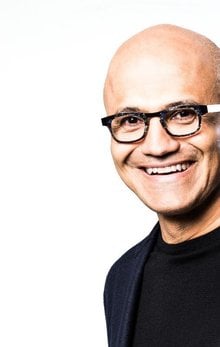
Microsoft is also evolving its hiring approach with an AI-centric focus. CEO Satya Nadella shared on Brad Gerstner's BG2 podcast in October that the company plans to increase its headcount with AI capabilities as a priority.
"I will say we will grow our headcount, but the way I look at it is, that headcount we grow will grow with a lot more leverage than the headcount we had pre-AI," he said.
According to Satya, new employees will be evaluated based on their ability to use AI to amplify their impact in their roles, reflecting a fundamental shift in how organisations assess candidate potential.
Establishing governance frameworks matters
According to the AMS report, leading organisations are prioritising AI in hiring primarily to manage issues with productivity, as 67% of respondents say efficiency is the main motivation for increasing their AI capabilities.

However, as 43% of those surveyed expect most or all talent acquisition processes to be handled primarily by AI by the end of 2026, establishing formal ethical AI guidelines becomes increasingly critical.
The research suggests this need for governance frameworks is particularly important when disagreement exists amongst C-suite leaders about how AI should be used in recruitment. Without clear guidelines, organisations could face inconsistent application of AI tools across their talent acquisition functions.
Stuart emphasises the competitive advantage available to early adopters of ethical AI practices. "As we begin 2026, C-suites and the talent industry are knee-deep in strategising how their business will be affected by the ever-evolving impact of AI," he says. "Our data lays out a blueprint for how leaders are thinking and taking action around talent and AI, which grows workforce productivity and business commerciality. Leaders integrating the ethical use of AI into the talent processes now will outpace their peers as AI fluency and digestible value adds only continues to grow."
The findings suggest that organisations must move beyond recognition of AI's potential to develop comprehensive strategies that align leadership teams, establish ethical frameworks and integrate AI capabilities across all recruitment functions to remain competitive in the evolving talent landscape.



Executives
Satya Nadella
Chairman and CEO