Ex Google CEO Warns of Terrorist ‘Extreme Risk’ Posed by AI
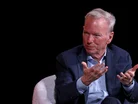
The former CEO and Chairman of Google has warned about the “extreme risk” we could face from terrorists or rogue states using AI. Schmidt, who held senior positions at Google from 2001 to 2017, told the BBC: “The fears I have are not ones that most people talk about AI – I talk about extreme risk.”
Speaking to the BBC’s Today programme, Schmidt warned that terrorist organisations could adopt or misuse AI. He said: “This technology is fast enough for them to adopt so that they could misuse it and do real harm.”
Schmidt expressed concerns that, if in the wrong hands, AI technology could even be used to develop biological weapons, explaining: “I’m always worried about the ‘Osama Bin Laden’ scenario, where you have some truly evil person who takes over some aspect of our modern life and uses it to harm innocent people.”

The role of monitoring and regulation
Private companies leading the way in AI development have given rise to calls for greater monitoring, governance and regulation of the technology. On 2 February the first requirements of the EU AI Act became legally binding, including certain AI use cases considered unacceptable being banned and the need for greater AI literacy and training.
The Act, which formally entered into force in August 2024, addresses the risks of AI and sets out Europe’s role in driving safe innovation, including a clear set of risk-based rules for AI developers and deployers around use and application.
Schmidt told the BBC there is a need for government oversight on private technology companies developing AI models, but he also warned of the dangers of over-regulation on innovation and development.
He said: “It is really important that governments understand what we’re doing and keep their eye on us,” adding “we’re not arguing that we should unilaterally be able to do these things without oversight, we think it should be regulated.”
Paris AI Summit
Schmidt’s comments come shortly after the two-day summit on AI in Paris, which brought together world leaders, CEOs, academics and civil society representatives to discuss the future of AI. The summit focused on five key themes: public interest in AI, the future of work, innovation and culture, trust in AI and global governance.

The summit ended with the UK and the US not signing an international agreement on AI pledging an open, inclusive and ethical approach to the technology’s development.
The statement, signed by 60 countries, sets out plans to reduce digital divides by promoting AI accessibility and ensuring its development and adoption is safe, transparent, secure and trustworthy. It also aims to make AI sustainable for people and the planet and considers the energy use of AI – a major contention in the technology’s development and application.
The details within the agreement echo the key themes at the Paris summit, where the focus was on the impact of AI development on society, as well as around governance, security and the environment.
The UK government said it had not signed the document because of concerns about global governance and national security.
In an address to the summit, European Commission President Ursula von der Leyen said that, while past summits had focused on ‘laying the groundwork for AI safety’, the focus was now on action.
She said: The time has come for us to formulate a vision of where we want AI to take us, as society and as humanity. And then we need to act and accelerate Europe in getting there. This is what I would like to address today. Europe's specific place in the global race for AI.“
The summit also saw the formation of the AI Champions Initiative, a group of 60 tech companies, incumbents and startups that have united to ‘rewrite the AI playbook’ for Europe. The initiative, which is backed by a €150bn investment from over 20 international investors, aims to make Europe a global leader in AI research, development and application.
It will focus on enhancing Europe’s AI ecosystem through coordinated efforts across industry, technology, policy and capital and includes companies such as Airbus, BNP Paribas, Deutsche Bank, Siemens, Volkswagen Group and more.
Explore the latest edition of AI Magazine and be part of the conversation at our global conference series, Tech & AI LIVE.
Discover all our upcoming events and secure your tickets today.
AI Magazine is a BizClik brand