AI-Centric Data Centres Drive Profitable Period for Samsung

The semiconductor industry has entered a new epoch, with Samsung Electronics releasing first-quarter earnings guidance that projects an operating profit of ₩57.2tn (US$38bn) – exceeding market expectations.
Its projection places the company in a position where profit in these three months alone surpasses its entire operating profit for the 2025 fiscal year, which stood at ₩5743.6tn.
The performance reflects a wider change in computing and infrastructure, with AI reshaping demand across the sector.
AI data centres and HBM define growth
Samsung's profit growth has been driven primarily by the shift from general-purpose computing to AI-centric data centres.

High-bandwidth memory (HBM) is playing a central role, moving from niche luxury to strategic asset.
Samsung’s report shows total sales reached ₩57133tn, marking a 68% increase from ₩5779.14tn in the same quarter last year. The rise points to a rapid expansion in the construction of AI hardware, including data centres and specialised chips that support machine learning systems.
The figures also indicate that physical infrastructure for AI is scaling at pace. Data centres require not only processors but also memory systems that can sustain continuous data flow. HBM meets this requirement, and its adoption signals a wider transition in how computing resources are built and deployed.
Samsung’s growth aligns with this demand, as customers invest in hardware that supports AI workloads across industries.
Investment strategy targets AI semiconductor lead
Samsung plans to spend more than ₩110tn (US$73bn) on chip capacity expansion and research this year. This record-breaking outlay is focused directly on securing a leading position in AI semiconductors.
The investment represents a 22% increase for 2026 and exceeds the roughly US$50bn capital expenditure set aside by rival TSMC.
Ultimately, the company’s strategy centres on next-generation AI chips and advanced foundry processes. By strengthening this capability, Samsung aims to retake the lead from SK Hynix, which holds a dominant position in the HBM supply chain for NVIDIA, a key player in AI computing.
This level of investment signals intent to control both production scale and technological direction.
AI chips require precision manufacturing and integration with memory systems like HBM. Samsung’s approach combines these elements, positioning the company to meet rising demand from customers that build and operate AI infrastructure.
Market pressure and long-term contracts reshape outlook
The record-breaking quarter comes during a complex period. Deepening conflict in the Middle East is driving up energy costs, impacting the data centres that Samsung supplies.
Despite this pressure, the structure of the AI market appears to be shielding the company from immediate impact, as demand for AI infrastructure continues to rise.
Samsung’s financial highlights show an estimated operating profit of ₩5,757.2tn for the first quarter of 2026, representing a 755% increase from ₩576.69tn recorded the previous year. Consolidated sales rose 68% to ₩57133tn, while the company’s stock price increased 60% year to date.
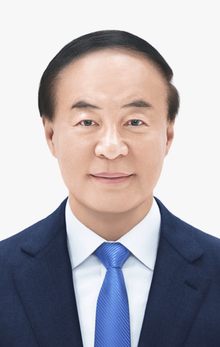
Samsung's leadership team is, unsurprisingly, focused on maintaining this momentum. Co-CEO Jun Young-hyun told shareholders at the 57th Annual General Meeting in March that the company is negotiating contracts spanning three to five years with major customers, moving away from the traditional quarterly contract cycle that has long defined semiconductor supply.
In the January 2026 Macquarie Equity Research report, tech analyst Daniel Kim said: "The fact that customers want such long-term contracts means that they do not expect the supply crunch to ease in the next three to five years."