
Is Schneider Electric the Energy Tech Leader for the AI Era?

Schneider Electric is shifting its corporate identity from a traditional electrical equipment manufacturer to a comprehensive technology platform provider.
Schneider Electric’s CEO, Olivier Blum, speaking at the 2025 Innovation Summit in Copenhagen, laid out this new vision.
He warns that projections show a 60% increase in global power consumption over the next 15 years, an increase he attributed to the rapid expansion of AI automation and connected devices.
This trend could establish energy volatility and price unpredictability as “the new normal,” he says.
“Energy is both the blood of modern life and a bulwark against its greatest threat: climate change.”

The AI energy challenge
The core challenge for Schneider Electric and the wider energy sector involves managing the AI revolution’s power requirements while simultaneously pursuing rapid decarbonisation to meet climate objectives.
The CEO’s strategy focuses on enhancing the efficiency of data centres, which are central to the AI boom. This is being pursued through innovations such as “software-defined power” and sophisticated cooling systems.
Energy is both the blood of modern life and a bulwark against its greatest threat: climate change.
Schneider Electric’s focus on becoming an “energy technology" leader suggests a pragmatic view that overall energy demand will keep rising.
To manage this, grid infrastructure must become “more agile to handle volatility and renewables," according to Olivier.
From equipment to ecosystems
Schneider Electric’s EcoStruxure platform is central to its strategy. Olivier described the platform as an “open, intelligent IoT-enabled platform" that connects disparate systems, data and people.
This technology is already in widespread use, powering over a million buildings and providing support for 40% of the world’s hospitals, according to the CEO. Schneider Electric’s innovation is demonstrated by the more than 1,400 patent applications it filed last year.
These patents focus on critical areas for the AI industry, including liquid cooling for data centres and HVAC systems optimised by AI.

One such innovation is the SpaceLogic Room Controller, which utilises embedded AI. This technology could reduce energy consumption in buildings and transform them from “passive consumers to active energy producers," the CEO suggests.
Sustainability and supply chain decarbonisation
Sustainability is a core component of Schneider Electric’s corporate identity. Schneider Electric has twice been recognised by Sustainability Magazine, TIME and Statista as the world’s most sustainable company.
According to its own reporting, Schneider Electric has achieved a 75% reduction in Scope 1 and 2 emissions since 2017 and its net-zero target has been validated by the Science Based Targets initiative.
Schneider Electric’s focus has been primarily on its operational emissions, with the more complex Scope 3 supply chain impacts presenting an ongoing challenge.
To address this, Olivier highlighted two programmes: the Zero Carbon Project, which engages with suppliers and Materialise, which works with customers on decarbonisation efforts.
This work is supported by SE Ventures, a venture fund valued at over US$1 billion that invests in sustainable innovation start-ups.
With a history of adapting to major technological shifts over two centuries, Schneider Electric is now facing a new inflexion point.
Electrification is accelerating across transport, heating and industrial processes while renewable energy sources are adding new layers of complexity to grid management.
“We can’t just react to these changes - we must lead,” Olivier explains.
The central question for Schneider Electric is whether its technological solutions can successfully balance the surging energy demand caused by AI with the urgent need for decarbonisation.
Company portals

Executives
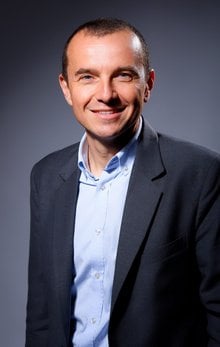
Olivier Blum
Chief Executive Officer