Why Elon Musk Fell to Defeat in the OpenAI Legal Battle
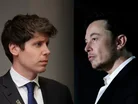
The most followed tech feud in recent history – a landmark trial pitting the big AI bosses against each other – has wrapped up to an anticlimactic end over procedure.
A nine-member jury in Oakland, California, has unanimously granted victory to OpenAI CEO Sam Altman, noting that Elon Musk waited too long past the statute of limitations to sue.
The legal wrangling began back in 2024, when the Tesla and xAI CEO claimed OpenAI and its leaders had breached the company’s original non-profit mission.
Elon, who co-founded OpenAI back in 2015 alongside Sam Altman, Greg Brockman and others, had invested about US$38m in the startup, which he says was obtained under the notion that the company would function as a non-profit entity.
Elon's suit had called for more than US$134bn in damages, the removal of Sam and Greg from leadership roles and to reverse the company’s restructuring to for-profit – a decision that would have derailed the AI giant’s plans for IPO later in the year.
“The finding of the jury confirms that what this lawsuit was, was a hypocritical attempt to sabotage a competitor and to overcome a long history of very bad predictions about what OpenAI has been and will become,” said OpenAI attorney William Savitt, speaking outside the courtroom after the decision was made.
The merits of the case
The trial turned around on statute of limitations issues – particularly whether Elon filed within the applicable three to four-year windows for claims such as fraud, breach of charitable trust and unjust enrichment, and whether he knew or should have known about OpenAI’s shift toward a for-profit structure before 2021.
Since the lawsuit was filed in 2024, he was required to convince the jurors that the alleged wrongdoing took place within the legal time limit.
Elon’s argument centred around the fact that his concerns were fully realised in 2023, after Microsoft’s major investments into OpenAI’s for-profit branch.
OpenAI’s lawyers put forth evidence that Elon had known for years that the company planned to pursue a commercial structure as far back as 2017. The court also heard testimony that documents relating to the plans for creating a for-profit arm were sent to him in 2018.
The jury deliberated for nearly two hours on Monday before concluding that Elon waited too long to sue, hence closing the high-profile case.
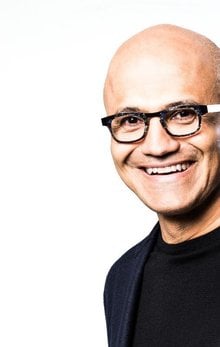
Members had spent the past three weeks viewing internal correspondence and listening to testimony from tech visionaries, including Elon, Sam and Satya Nadella, CEO of Microsoft.
Microsoft was dragged into the feud after Elon accused the company of aiding and abetting OpenAI as it transitioned to a for-profit company.
Verdict and appeal
Although the case was eventually tossed out for not falling under the timeline, the deliberation on whether OpenAI did in fact breach the contract was left unanswered.
“Regarding the OpenAI case, the judge and jury never actually ruled on the merits of the case, just on a calendar technicality,” Elon Musk wrote in a post on X.
“There is no question to anyone following the case in detail that Altman and Brockman did in fact enrich themselves by stealing a charity. The only question is WHEN they did it!”
Elon said he was looking to appeal the decision, adding: "I will be filing an appeal with the Ninth Circuit, because creating a precedent to loot charities is incredibly destructive to charitable giving in America."



Executives
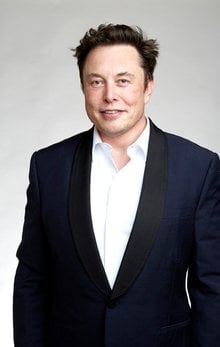
Elon Musk
Tesla CEO
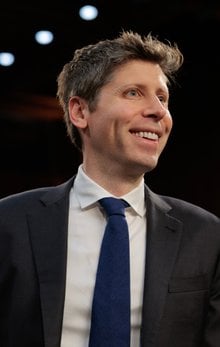
Sam Altman
Satya Nadella
Chairman and CEO
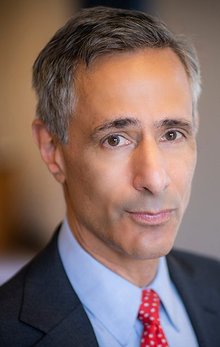
William Savitt
Co-Chair of the Executive Committee and Co-Chair of the Litigation Department