
How Apple is Easing AI Cyber Concerns with Early Updates

AI innovation is a double-edged sword for cybersecurity, sharpening the tools of malicious hackers just as fast as it protects consumer devices.
Owing to these concerns, Apple is pushing forward a series of software updates that would previously have been bundled in with a new version of its iOS operating system. This makes them available earlier than in previous cycles, thereby helping to protect consumer devices.
Talking about the move, Apple told Reuters that it is adapting to the reality of AI speeding up the development of malicious hacking tools.
The company is looking to reduce the time between when updates are first made public and when they are put into customers’ hands. This marks a notable change in its longstanding practice of packaging security fixes with broader software releases.

Unless security experts discover a hacking campaign targeting an unknown software flaw, Apple usually releases security updates during major software transitions.
This typically occurs during a move from one version of iOS to the next, such as from the current version 26.5 to 26.6. In the interim, developers and other testers trial the update to iron out any kinks.
The company says that the latest round of security updates is being made available to everyone ahead of the wider release of version 26.6.
It says that while there is no evidence that any of the newly patched vulnerabilities have been taken advantage of, the deployment timeline needed to be compressed.
Memory chip supply crunch impacts tech
While Apple is strengthening its digital defences, it is simultaneously navigating severe challenges across its global hardware supply chain.
The software adjustments arrive alongside mounting economic pressures on the physical components that power the same devices.
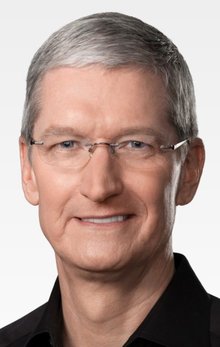
Earlier in June, Tim Cook, outgoing CEO at Apple, told the Wall Street Journal that price increases of Apple products are unavoidable, explaining that the situation around memory chips has become unsustainable for consumer products.
He says: “We’re doing our best to mitigate the huge increases that are being passed to us, and we’ve been trying to shield our customers from the increases, but the situation has become unsustainable. There’s less supply at a time when consumers want devices and the memory guys are passing along huge price increases.”
Tim is due to be replaced by John Ternus as CEO of Apple in September, following a torrid period for the market.
The price of RAM has more than doubled since October 2025, while the war in Iran has disrupted the global supply of helium – a gas crucial in making semiconductors.
According to research firm Omdia, the average selling price of smartphones globally will rise by around 20% in 2026 to an all-time high. Most smartphone brands have already raised prices, pulled back on promotions or cut specifications.
Gaming consoles face market pressures
Other technology giants have been experiencing similar pressure in the chipmaking industry.
Speaking to BBC, Taiwan Semiconductor Manufacturing Company (TSMC) said that it would not rule out price increases as inflation pushes up its costs. Samsung also says that it expects memory chip supply shortages to make electronic devices more expensive.
In April, Sony announced substantial price increases for its PlayStation 5 consoles and the PlayStation Portal handheld digital media player.
In the UK, the standard PlayStation 5 will now cost £569.99 (US$759), which is up roughly £90 (US$119) from its previous price. The PlayStation Portal handheld will rise to £219.99 (US$293), while US customers will pay US$100 more for the console.
Isabelle Tomatis, VP of Global Marketing at Sony Interactive Entertainment, addressed the decision in a blog post.
“With continued pressures in the global economic landscape, we’ve made the decision to increase the prices of PS5, PS5 Pro and PlayStation Portal remote player globally," she explains.
Isabelle says that the company found this was a necessary step to ensure it can continue delivering high-quality gaming experiences.
Microsoft, on the other hand, has already raised hardware prices, whereas Nintendo is set to increase the price of its Switch 2 from September owing to the rising memory chip prices.





Executives
Isabelle Tomatis
Vice President, Global Marketing

John Ternus
CEO
Tim Cook
Executive Chairman