Dell and Intel Look Into the Mass Shift to AI-Ready PCs
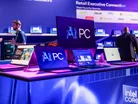
For any technology leader, a forced system upgrade is rarely welcome news. The end-of-support for Microsoft Windows 10 on 14 October 2025 is, on the surface, no different.
Yet, new research from Dell Technologies and Intel suggests many UK IT leaders are treating the deadline as a justification for a much broader, more strategic hardware refresh. The study, which surveyed 1,000 UK IT Decision Makers (ITDMs), found that 71% are using the migration to Windows 11 as an opportunity to deploy AI-capable PCs.
The 'Windows 11 and AI PC Readiness Report' also finds that UK businesses see upgrading to AI PCs when they transition to Windows 11 to transform operations, with 64% saying being able to run AI applications effectively is critical or extremely critical for their organisation.
The top AI PC advantages reported were 'advanced security features' (47%) and 'greater employee productivity' (44%), highlighting a dual focus on cybersecurity and using AI to empower their teams.
“The migration to Windows 11 is a key moment for UK businesses to align their technology with their strategic ambitions,” said Steve Young, Senior Vice President and UK Managing Director for Dell Technologies.
“This research shows that forward-thinking leaders are looking beyond the immediate deadline, seizing the chance to upgrade to AI-capable systems to enhance security, improve efficiency and boost productivity.”
Security concerns and the role of AI
The data indicates that the Microsoft deadline is not the only motivator for hardware refreshes.
Almost half of ITDMs (46%) cite high-profile cybersecurity breaches as the primary catalyst, compared to 42% who point to the end-of-service date.
While 79% of organisations have started to transition to Windows 11, the process is not without friction.
The most cited concerns are software compatibility for existing applications (45%), hardware compatibility (34%) and potential disruptions to operations (32%).
Jimmy Wai, Technical Sales Specialist at Intel, says this refresh cycle is different. “What truly sets this refresh cycle apart from those that came before is its profound significance as the gateway to the next generation of computing: AI-powered capabilities,” he says.
Louise Quennell, UK Senior Director, Client Solutions Group for Dell Technologies, says: “In addition to losing technical support, inaction means businesses may rely on less secure devices that can’t keep up with the latest applications.”
By working with trusted partners like Dell and Intel, they can plan a seamless transition to minimise disruption and set them up to thrive in the AI era.”
Enterprise vs. small business adoption rates
The research shows a distinct split in attitude and action based on company size.
Just 62% of small businesses (1-50 employees) have started or completed their migration, below the 79% average across all businesses. They are also more likely to deem the upgrade unnecessary (29%) compared to medium (15%) and large (12%) enterprises.
This caution extends to AI PCs. Only 38% of small businesses see the Windows 11 move as a chance to buy AI-capable hardware, which contrasts with 72% of medium and 79% of large businesses.
Brian Horsburgh, UK Small Business Country Manager for Dell Technologies, says: “We understand that for small businesses, every investment must have a clear return so the need to upgrade isn't always immediately obvious.

“That's why we focus on making the business case clear: AI PCs with Windows 11 deliver a competitive edge through smarter day-to-day tools and proactive security. We’re here to provide tailored guidance and flexible solutions that turn a perceived cost into a clear catalyst for growth.”
The change in channel partner roles
The technology transition also has implications for the IT channel.
The introduction of AI PCs, coupled with a mandatory OS upgrade, creates a demand for services beyond simple procurement.
Ian Heath, UK Channel and Distribution Lead for Dell Technologies, says: “For our channel partners, the conversation with customers is no longer about refresh cycles; it's about building a competitive advantage.
“Adding the context of the Windows 11 transition means the AI PC isn’t just a new product to sell; it is a gateway to higher-value services like strategic deployment, security hardening and workflow integration.”