KPMG: AI Sets a New Mandate for the Modern CEO
The role of the CEO is in a state of constant flux as leaders strive to keep pace with technological developments, particularly the integration of AI.
A report from KPMG suggests that forward-thinking leaders are making decisive moves regarding growth, risk and innovation to navigate this complex business environment.
According to the 2025 KPMG CEO Outlook survey, 86% of US CEOs are confident about their country’s growth prospects, with 84% feeling optimistic about their own company’s advancement.
Despite this confidence, 79% have already altered their strategy because of changing market conditions, a sign that agility is paramount.
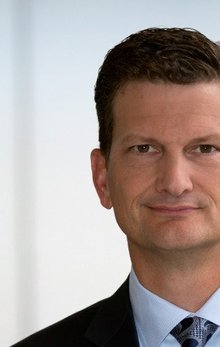
Tim Walsh, Chair and CEO of KPMG US, says: “The CEO role is evolving and increasingly multi-dimensional as expectations become more expansive. But CEOs are leading with confidence, leaning into new skillsets and adaptability as they position their organisations for success in years to come.”

AI as a top investment priority
KPMG’s research indicates that AI will shape nearly every important innovation over the next three to five years. This requires not only effective integration with the workforce but also robust governance to ensure trust is maintained.
The survey found that 74% of CEOs ranked AI as their top investment priority to counter economic uncertainty. In support of this, 69% plan to allocate between 10-20% of their budgets to AI initiatives within the next year.
However, there is a tangible gap between intention and execution. The report highlights that only 13% of leaders feel “very confident” their organisations are ahead of the curve on AI adoption.
Most admit they are still in the process of catching up. KPMG suggests that to capitalise on AI as a growth engine, leaders must commit resources to improving data quality and align with strategic partners.
KPMG notes that investment in agentic AI as part of a business strategy could be crucial for leaders to capture exponential value.

Navigating AI-related risks and growth hurdles
While CEOs are pursuing growth, they remain realistic about the obstacles. According to the survey, 89% believe tariffs will substantially affect business performance over the next three years.
A more modern threat comes from AI-native companies, with 84% of CEOs concerned that at least one such company will displace an established firm in their industry.
Visionary leaders are using pressures like cyber threats and regulatory changes to spur innovation, from bolstering digital resilience to completely reimagining supply chains. Cybersecurity remains a key focus. The survey findings about US CEOs include:
- An extreme concern about fraud detection and prevention (65%)
- Identity theft and data privacy are major concerns and leadership priorities (52%)
- A recognition of vulnerability to cyberattacks as a key threat that their organisations are addressing (45%)
The emerging hybrid AI-human workforce
The integration of humans and AI agents working alongside each other is rapidly becoming a standard operating model within organisations.
This hybrid approach brings together human creativity with the scalability and efficiency of AI. This change is not without its challenges. More than half of the CEOs surveyed are concerned about the impact of AI on their organisation’s culture.
Looking ahead, 86% of leaders expect their managers to oversee multiple AI agents as part of their roles in the coming years.
According to KPMG: “Success will depend not just on technical integration but on building trust between people and intelligent agents through intentional systems for governance upskilling and communication.”
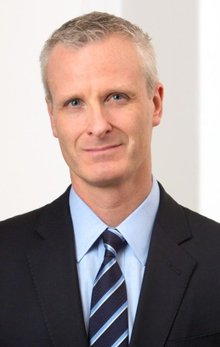
Discussing the findings, Bill Thomas, KPMG International CEO, said at the time: “Ultimately, the leaders who can embrace market volatility and focus investments in the right strategic areas for their organisation will be the ones best placed to unlock new opportunities and build sustainable long-term growth.”
Company portals

Executives
Bill Thomas
Global Chairman and CEO, KPMG International
Tim Walsh
Chair and CEO