
Why Microsoft is Studying AI's Impact on Work and Society

AI will change work, life, the way we connect, and how we create and play. How, and to what extent, is a key question that Microsoft is exploring with the formation of a new team, the Advanced Planning Unit (APU).
Working within Microsoft’s AI business division, which encompasses Copilot, Bing and Edge, the APU will consider the societal, health, and work impact of the AI technologies the company is developing with the objective of creating the world’s most compelling and successful consumer AI products and model.
The new unit will operate in the office of Microsoft AI’s CEO Mustafa Suleyman, who announced its formation and provided more information on roles and responsibilities in a series of posts on X.
He discussed AI’s revolutionary potential, saying: “We want to know how, and what it means for those of us building it. So we’re creating a genuinely exciting and unique unit across our Silicon Valley and London offices to do just this.
“We’re looking for people to capture this hyper-evolutionary space and let us know what’s happening and why it matters,” Suleyman added. “These roles are incredible, rare opportunities to dig deep and think imaginatively about AI, working from a vantage point at the cutting edge of AI science and product development.”
The role of the APU
Microsoft believes that AI can help people and organisations tackle some of the most demanding and pressing global challenges society faces. It also understands the technologies that it and other companies develop will likely have a profound effect on how we live and work.
The role of the APU will be critical in unpacking some of this complexity. In several job posts for the positions in the new unit, Microsoft explained the team will be responsible for cutting-edge research across the company and beyond.
It will also ‘explore and articulate a range of possible scenarios for the future of AI, craft concrete product recommendations, and suggest planning outcomes based on them’. The APU’s work will likely cover a broad scope of themes and sectors, with Microsoft seeking experience in fields including economics, psychology, social science, nuclear, and quantum per the postings.
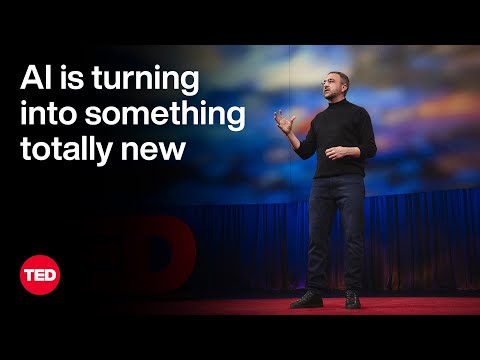
Discussing the possible impact of the APU's work, Suleyman explained: "AI that makes humanity smarter will be what helps us navigate the craziness of what's coming in the next century. This week yet again underlines that this moment is very nearly here. It’s the next step toward truly transformational AI. If we can harness this safely and contain its downsides, this really will become the most empowering and creative phase of human history."
Investing in AI
Creation of the APU comes shortly after Microsoft announced a new internal engineering and dev-focused organisation called CoreAI – Platform and Tools. Led by former Meta engineering head Jay Parikh, the group brings together several core Microsoft teams to focus on developing an AI platform and tools for the company and its customers.
Microsoft CEO Satya Nadella announced the new initiative in an internal briefing, setting out the company’s plans and ambitions for AI into 2025. He said the new year marks ‘the next innings of this AI platform shift’, explaining that the next 12 months will ‘reshape all application categories’.
Saying that every layer of the application stack will be impacted by AI, Nadella said the scope of development is akin to ‘thirty years of change being compressed into three years’.
He stated: “we have been working at this for more than two years and have learned a lot in terms of the systems, app platform, and tools required for the AI era. To more rapidly and boldly advance our roadmap across each of these layers, we are creating a new engineering organization: CoreAI – Platform and Tools.”
Explore the latest edition of AI Magazine and be part of the conversation at our global conference series, Tech & AI LIVE.
Discover all our upcoming events and secure your tickets today.
AI Magazine is a BizClik brand
